Creative Concepts in Paper Bag Packaging: Stand Out on the Shelves
Innovative designs in paper bag packaging are progressively more essential for brands looking to differentiate themselves in a competitive marketplace. These designs not only capture attention but also promote functionality and sustainability. With the rise of eco-friendly materials and unique shapes, brands are rethinking their packaging strategies. However, the question persists: how do these innovations truly influence consumer behavior and brand loyalty? The exploration of this topic reveals compelling insights.
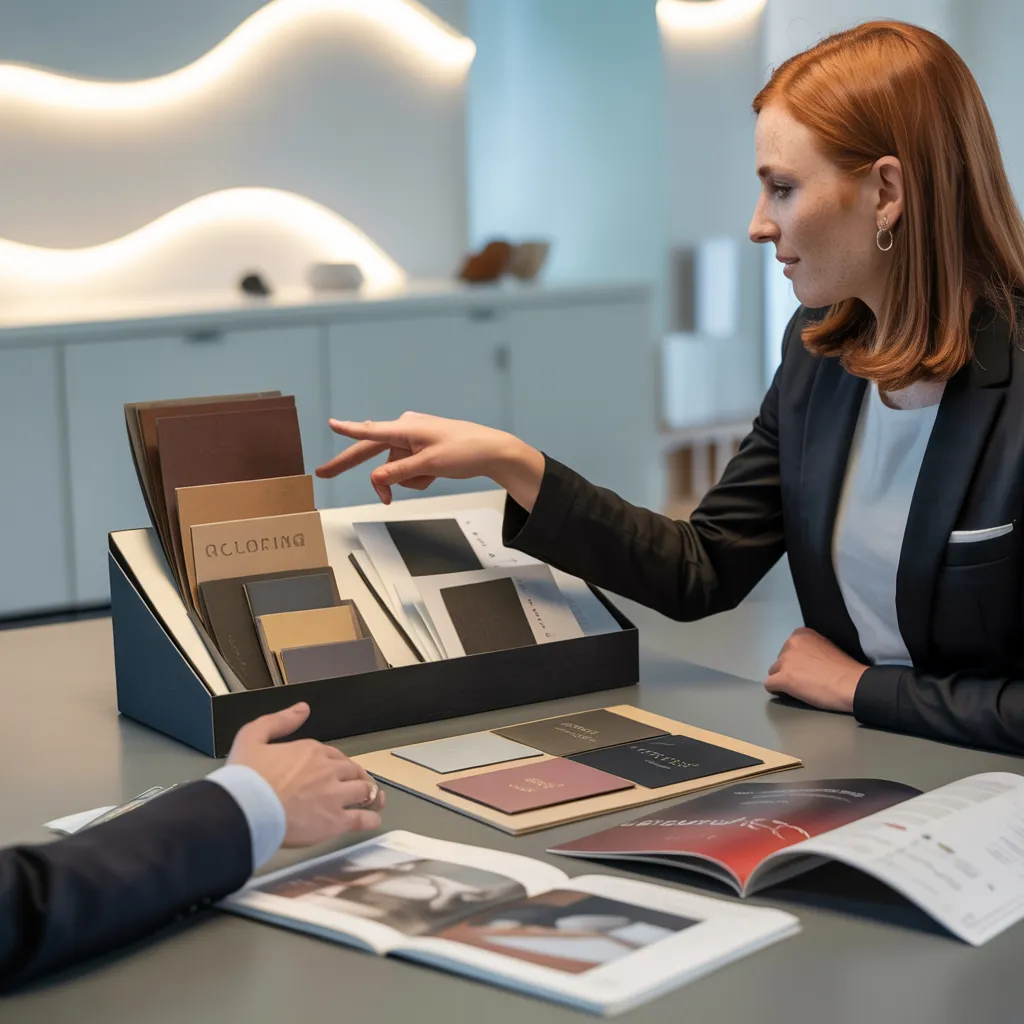
The Development of Eco-Conscious Materials
With consumers placing greater emphasis on sustainability, the adoption of eco-friendly materials in packaging has surged. This shift is notably apparent in the paper bag industry, where brands are adopting biodegradable and recyclable materials to meet growing environmental concerns. In contrast to traditional plastic bags, which heavily contribute to pollution and landfill waste, paper bags created from sustainable sources provide a more responsible choice for consumers.
Manufacturers are now utilizing recycled paper and responsibly sourced fibers, confirming that their products not only reduce environmental impact but also attract eco-conscious shoppers. Plant-derived inks and coatings further boost the sustainability of paper bags, supplying durability while maintaining an environmentally friendly profile. Therefore, brands that adopt these innovations can strengthen their marketability, matching the values of modern consumers who select products that reflect their commitment to environmental stewardship. The rise of eco-friendly materials signifies a significant shift in consumer behavior and packaging design.
Artistic Configurations and Structural Developments
Although traditional paper bags usually follow standard dimensions and forms, innovative designs are transforming the packaging landscape. Brands are now exploring unique structural innovations that not only boost functionality but also improve aesthetic appeal. For instance, bags formed into geometric forms or those with asymmetrical designs attract consumers' attention and create a memorable unboxing experience.
In addition, collapsible and expandable structures offer flexible use, addressing diverse product sizes while maximizing storage. Certain companies are incorporating handle designs that seamlessly integrate with the bag's structure, offering both comfort and style.
Furthermore, the implementation of gussets and creative closures can enhance the overall functionality, ensuring that products are securely packaged. These innovative shapes not only enhance brand identity but also improve the consumer's perception of the product within, showing that paper bag packaging can go beyond mere utility to become a powerful marketing tool.
Visually Stunning Visual Elements and Print Production Techniques
In the field of paper bag packaging, eye-catching graphics serve a crucial function in capturing consumer attention. Distinctive color palettes, innovative texture applications, and dynamic typography choices can significantly enhance visual attractiveness and brand recognition. These elements not only draw in customers but also express the essence of the product inside.
Exceptional Color Combinations
Bold color palettes play a vital role in the design of paper bag packaging, capturing consumer attention and conveying brand identity. Distinctive combinations of colors can evoke distinct emotions and associations, helping brands stand out on packed shelves. For instance, bold and bright colors may suggest enthusiasm and excitement, while muted tones can communicate class and polish. The strategic use of contrasting colors can boost visibility, making the packaging more eye-catching. Additionally, the integration of gradients or ombre effects adds depth, further drawing the eye. Innovative print techniques, such as metallic inks or matte finishes, can complement the color choices, creating a memorable visual experience. Ultimately, the right color palette is critical for effective branding and consumer engagement.
Innovative Texture Uses
Creative texture applications greatly enhance paper bag packaging, offering brands a tactile dimension that complements visual elements. Techniques including embossing, debossing, and spot UV coating create a striking contrast between matte and glossy finishes, attracting consumer attention. These textures not only offer an engaging feel but also reinforce brand identity through distinct tactile experiences. Additionally, the use of textured inks and specialty coatings can produce visually appealing graphics that stand out on the shelf. Incorporating textures empowers brands to communicate their story and values more effectively, creating a memorable impression. As consumers increasingly seek distinctive and sustainable options, these creative texture applications play a crucial role in differentiating products within a competitive market.
Dynamic Typography Selections
Dynamic typography choices play an essential role in enhancing paper bag packaging, turning it into a canvas for visual storytelling. By utilizing bold fonts, varied sizes, and unique placements, brands can efficiently communicate their identity and message. Striking graphics, when combined with innovative print techniques such as embossing, foil stamping, or spot UV coating, elevate the overall design and sensory experience of the bag. This synergy not only captures consumer attention but also reinforces brand recall. Furthermore, incorporating a diverse color palette in typography enables greater emotional engagement, appealing to different target audiences. Ultimately, the thoughtful integration of dynamic typography within paper bag designs contributes greatly to standing out on retail shelves, driving both interest and sales.
Personalization and Customization Trends
Customization and personalization trends in paper bag packaging are revolutionizing the way brands connect with consumers. Unique design elements and sustainable materials not only improve visual appeal but also support sustainability values. Furthermore, compelling brand storytelling methods can create a memorable experience, cultivating deeper customer loyalty.
Unique Design Details
An increasing number of brands are adopting unique design elements in paper bag packaging, reflecting a shift towards customization and personalization trends. These distinctive features strengthen brand identity and consumer engagement. Techniques such as vibrant colors, innovative shapes, and eye-catching graphics permit brands to share their narratives visually. Additionally, the use of tailored messages or customer names on bags creates a more personal shopping experience. Limited edition designs and collaborations with artists are also becoming more popular, attracting niche markets and fostering a sense of exclusivity. Such unique design elements not only differentiate products on crowded shelves but also foster emotional connections, making consumers more likely to return to brands that align with their personal style and values.
Green Components
Eco-consciousness has emerged as a major consideration in paper bag packaging, with numerous brands opting for eco-friendly materials to match consumer values. These materials frequently include repurposed paper, biodegradable components, and sustainably sourced fibers, which minimize environmental impact. Brands are increasingly aware that consumers choose products that reflect their dedication to sustainability. This shift both enhances brand image but also attracts eco-conscious customers. Additionally, the use of eco-friendly materials enables greater customization and personalization opportunities, permitting businesses to create custom packaging that resonates with their target audience. As a result, incorporating sustainable materials into paper bag designs has become an important trend, ensuring that brands can differentiate themselves on the shelves while championing environmental responsibility.
Storytelling Strategies for Brands
In what ways can companies establish profound relationships with consumers? By employing brand storytelling techniques that combine customization and personalization trends, companies can generate memorable experiences. Adapting paper bag packaging with exclusive designs or messages that resonate with target audiences cultivates a sense of belonging. Personalization may include incorporating customers' names or local cultural elements, which can strengthen emotional connections. Moreover, brands can communicate their narratives through visuals and tactile experiences on packaging, which can evoke nostalgia or aspirational feelings. This approach not only separates products on store shelves but also bolsters brand loyalty. Ultimately, effective storytelling through customized paper bags converts ordinary packaging into an engaging platform that communicates a brand's values and mission.
Versatile Design Solutions for Enhanced Usability
While traditional paper bags serve a single purpose, innovative multi-functional designs are transforming them into versatile packaging solutions that enhance usability. These designs incorporate features such as reinforced handles, which provide added strength for carrying heavier items, and resealable closures that retain product freshness. Furthermore, some paper bags now include built-in dividers or compartments, allowing consumers to organize items successfully, making them ideal for grocery shopping or takeout orders.
In addition, eco-friendly materials are continually being employed in these multi-functional designs, catering to environmentally conscious consumers. Some bags even come with detachable sections that can be recycled or adapted, providing value beyond the initial purchase. By integrating such practical elements, brands can enrich the consumer experience, making sure that their products not only shine on the shelves but also serve multiple purposes in everyday life. This trend reflects a growing demand for convenience without sacrificing sustainability.
Case Studies: Companies Setting the Standard in Paper Bag Packaging
Advanced multi-functional designs are not only boosting the usability of paper bags but also encouraging brands to adopt more creative packaging solutions. For example, the fashion brand Reformation has embraced eco-friendly paper bags that double as reusable totes, engaging environmentally conscious consumers. In the same way, Starbucks has valuable guide unveiled paper bags that feature a unique folding design, permitting customers to easily carry their purchases while minimizing waste.
Another significant example is the organic snack company, NatureBox, which uses resealable paper bags that maintain freshness, boosting customer satisfaction. Additionally, the cosmetics brand Lush utilizes vibrant colors and artistic designs on their paper bags, making them visually appealing and memorable. These case studies highlight how companies are not only emphasizing sustainability but also elevating their brand identity through innovative paper bag packaging, successfully standing out in a competitive market.
Frequently Asked Questions
Can Paper Bags Be Recycled and Biodegraded?
Yes, paper bags are biodegradable and recyclable. They can decompose naturally, returning to nature, and recycling them helps preserve resources. Proper disposal guarantees they meet their eco-friendly potential, contributing to sustainable practices.
How Do Paper Bags Stack Up Against Plastic Bags for the Environment?
Paper bags usually have a lower environmental impact than plastic bags, as they are biodegradable and recyclable. However, their production demands more energy and resources, making the overall comparison dependent on context and complex.
What Are the Cost Differences Between Paper and Plastic Bags?
Price differences for paper versus plastic bags fluctuate, with paper typically being more expensive due to increased production expenses. However, prices can vary based on materials, manufacturing procedures, and market demand for each type.
Can Paper Bags Receive Waterproofing Treatment for Specific Products?
Indeed, paper bags can be water-resistant using different coatings or treatments, such as polyethylene lining or wax, making them suitable for particular products while improving resistance to moisture and durability, thereby broadening their usefulness in diverse applications.
What Sizes Are Recommended for Retail Paper Bags?
The ideal sizes for retail paper bags generally range from small (eight by four by ten inches) for smaller items to medium (10x5x13") for clothing items, and large (12x6x15 inches) for more substantial items, fitting a variety of products successfully.